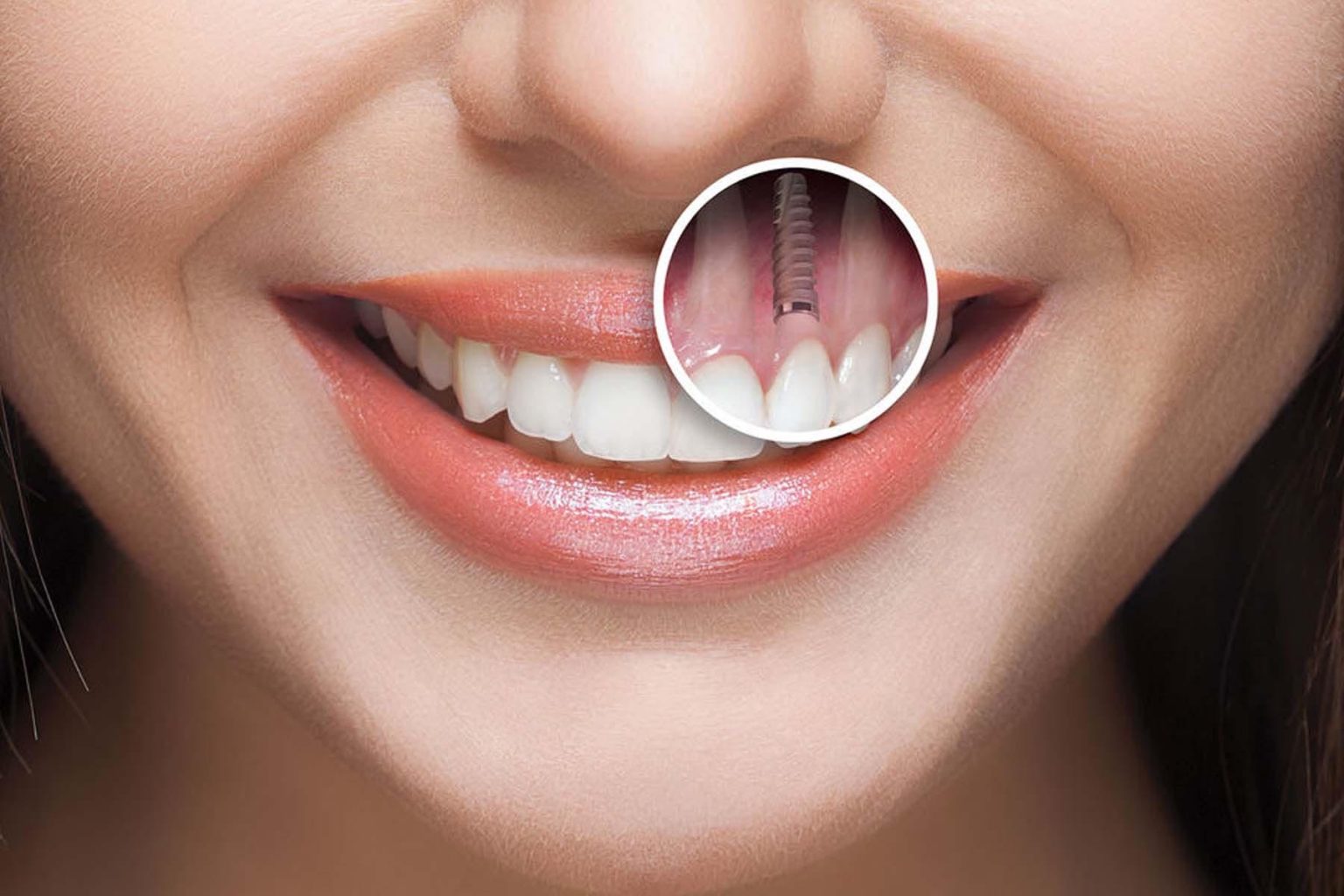


When patients ask about dental implants and oral health, they are usually thinking about the visible result: a gap filled, a smile restored, a tooth replaced. The impact of dental implants extends considerably further than that. An implant does not simply replace what the eye sees — it replaces the root that was beneath it, restores the biomechanical function that root provided, prevents the bone loss that accelerates in its absence, and creates conditions in the mouth that protect the surrounding teeth, the bite, and the facial structure for decades.
Understanding the full scope of what dental implants do — clinically, functionally, and systemically — is what allows patients to evaluate them accurately against the alternatives and to appreciate why the investment, particularly at Albanian prices, is so consistently described as the best dental decision patients have made.
The Bone Preservation Benefit: The Impact Most Patients Don’t Know About
The most clinically significant impact of dental implants is one that most patients are not aware of when they begin researching tooth replacement options: the prevention of bone loss.
When a tooth is lost, the jawbone at that site immediately begins to resorb. The bone exists to support the tooth root — to absorb and transmit the chewing forces that the root delivers with every bite. When the root disappears, the bone receives no more stimulation through those forces, and the body, following its normal metabolic logic, begins to remove bone tissue it perceives as no longer needed.
The rate of bone loss is fastest in the first year after tooth loss — patients typically lose up to 25% of bone width at the extraction site within twelve months. The process then continues at a slower rate indefinitely, never fully stopping as long as the site remains without a root. Over three to five years without tooth replacement, the bone loss can become sufficient to complicate implant placement, to alter the shape of the jaw, and to produce the sunken facial appearance associated with long-term edentulism — the hollowing of the cheeks and chin that most people associate with advanced age.
A dental implant placed in the jawbone after tooth loss stops this process. The titanium post integrates with the bone through osseointegration and transmits chewing forces through itself to the surrounding bone, exactly as the natural root did. The bone receives the stimulation signal it needs to maintain its volume and density. With proper maintenance, implants continue this stimulation function for decades — making bone preservation a benefit that compounds positively over the entire lifespan of the restoration.
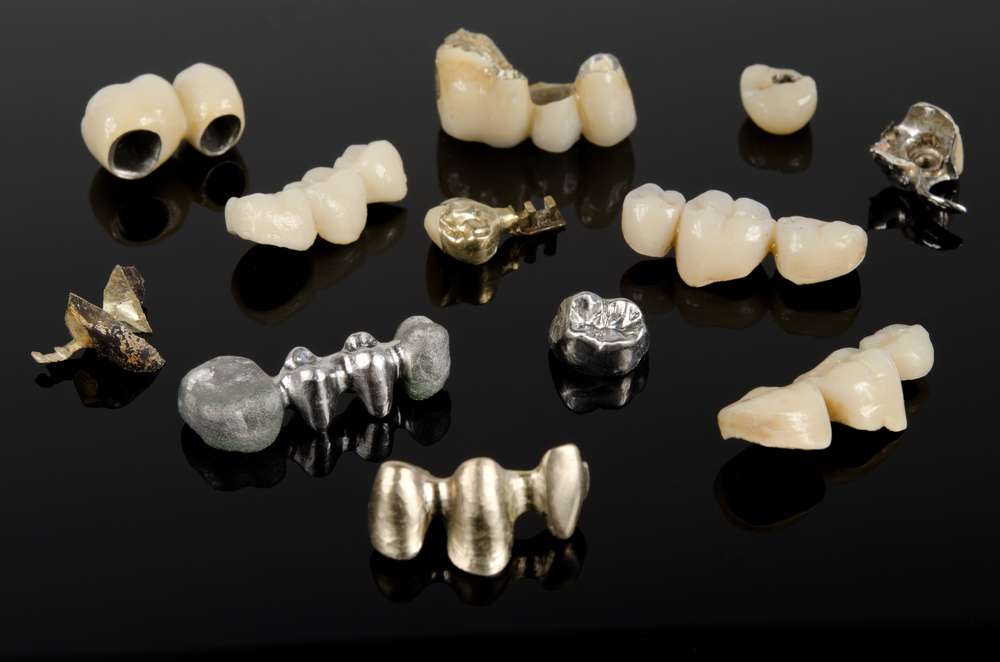
This is the impact that dentures and bridges cannot replicate. A denture sits on the gum surface and provides no bone stimulation — in fact, the pressure of a denture on the gum ridge accelerates bone resorption beneath it. A bridge distributes chewing forces through the crowns on adjacent teeth, preserving the bone beneath those crowned teeth but doing nothing for the bone in the gap beneath the pontic, which continues to resorb. Only a dental implant, by placing a functional root substitute directly in the bone, prevents bone loss at the site of the missing tooth.
This is why the earlier implants are placed after tooth loss, the simpler and more cost-effective the placement tends to be — and why delaying the decision compounds both the bone loss that makes placement more complex and the cumulative functional impact of the gap.
The Chewing Function Impact: Eating Without Restriction
The functional improvement in chewing capacity after dental implant placement is one of the most consistently reported changes in patient quality of life following treatment. Patients who have managed a missing tooth, a failing dentition, or an ill-fitting denture for years describe the experience of eating after their implants are complete in terms that are genuinely surprising in their consistency.
Hard fruits eaten directly. Steak chewed on both sides. Crusty bread without hesitation. Foods that had been quietly removed from the diet over months or years — not dramatically, but incrementally, as the patient adapted to what their mouth could reliably manage — return to the table.
This is not merely a comfort issue. Dietary restriction from compromised oral function has documented nutritional consequences. Patients with significant tooth loss or poorly fitting restorations consume diets that are measurably lower in fibre, fresh vegetables, and lean protein — the foods that require adequate chewing function to be comfortably eaten — and higher in processed, soft foods that require less mastication. The nutritional downstream effects accumulate over years.
Dental implants restore chewing function to levels comparable to natural dentition. Research demonstrates that implant-supported restorations achieve bite force levels equivalent to natural teeth — significantly higher than what removable dentures provide, and superior to the bite distribution of fixed bridges, which direct all chewing force through the adjacent crowned teeth rather than through a root in the gap.
For full-arch cases — All-on-4, All-on-6, or All-on-8 — the functional restoration is total. Patients who could not bite or chew effectively with failing dentition or unstable dentures recover complete chewing function from the day of immediate loading. The fixed arch that replaces the entire dentition functions for normal eating immediately, with only a brief period of soft food restriction while the implants are integrating.
At Azzurro Dental Clinic, all full-arch restorations are delivered with immediate loading where clinically appropriate — providing fixed, functional teeth on the same day as surgery. Our All-on-4, All-on-6, and All-on-8 pages describe what each configuration involves and who benefits most from each.
Speech and Communication: The Functional Impact of Tooth Position
Speech clarity depends on the position and integrity of the front teeth and the palate. Missing anterior teeth — particularly in the upper arch — affect the production of specific consonant sounds, most noticeably sibilants (s, z) and fricatives (f, v, th), which require the tongue and lips to interact with specific tooth surfaces to produce their characteristic sounds.
Removable dentures address this speech issue but introduce a different one: dentures that move or slip during speech — particularly upper dentures that rely on suction against the palate rather than being anchored to bone — produce inconsistent sound production and can interrupt fluid speech with the distraction of managing a loose prosthesis. Many patients with upper dentures develop speech adaptations that colleagues and family notice even if the denture wearer does not fully register them.
Dental implants restore the stable tooth surfaces that speech requires, without the movement risk of a denture. Fixed implant restorations — whether a single crown, an implant-supported bridge, or a full arch — stay in position during speech exactly as natural teeth do, because they are anchored in bone. The speech impact is typically immediate and noticeable to patients, who often report that they had not fully appreciated how much their speech had changed until it returned to its previous quality after implant treatment.
Protection of Adjacent Teeth
A gap in the dental arch creates a range of consequences for the teeth surrounding it — and protecting adjacent teeth from those consequences is one of the underappreciated impacts of dental implants on oral health.
In the absence of a tooth, the adjacent teeth gradually migrate toward the gap. Over months and years, this drift alters their angle, changes the contact points between teeth, and modifies the occlusal relationship between the upper and lower arches. The tooth opposing the gap in the other jaw may over-erupt — growing longer as it moves toward the space where the opposing tooth used to be. These changes alter the bite, create new stress patterns on the remaining teeth, and in some cases lead to secondary tooth loss as the compromised biomechanics accelerate wear on other teeth.
A dental bridge addresses the gap but requires the preparation — reduction of tooth structure — of the two teeth adjacent to the gap to serve as abutments for the crowns that anchor the bridge. These teeth, which were otherwise healthy, are permanently altered to support the restoration. They are more vulnerable to decay at the margin and to fracture than unprepared teeth, and they are permanently dependent on a crown from the point of preparation onward.
A dental implant is entirely independent. The adjacent teeth are untouched. They require no preparation, no alteration, and no increased vulnerability. The implant prevents drift and over-eruption by filling the gap with a stable root substitute, protecting the existing dentition from the cascade of changes that a persistent gap would otherwise initiate.
Systemic Health: The Broader Impact
The relationship between oral health and general health has been documented extensively in peer-reviewed literature, and dental implants affect this relationship through several mechanisms.
Chronic dental infection — the persistent bacterial presence associated with failing teeth, abscesses, and gum disease — is associated with elevated systemic inflammation. Persistent oral infections have documented associations with cardiovascular disease risk, type 2 diabetes complications, and adverse pregnancy outcomes. Dental implants placed in a healthy, treated oral environment replace the sources of chronic infection with biocompatible titanium that does not decay, does not harbour the bacterial communities that produce periodontal infection, and can be cleaned around effectively with normal oral hygiene.
The nutritional improvements associated with restored chewing function extend the systemic health impact further. A diet that includes adequate fresh vegetables, fibre, and lean protein — the foods that adequate chewing function makes accessible — has well-documented positive effects on metabolic health, cardiovascular health, and general wellbeing that compound over years.
The psychological dimension is also real and documented. The confidence impact of a complete, stable, natural-looking smile — the willingness to eat in social settings without anxiety, to speak without self-consciousness, to smile in photographs without deliberate avoidance — affects quality of life in ways that patients consistently describe as more significant than they anticipated before treatment.
Long-Term Success: What the Data Shows
Dental implants using certified implant systems have a documented ten-year success rate of 90% to 95% across large independent clinical studies. The Straumann, Nobel Biocare, and MegaGen systems used at Azzurro Dental Clinic are among the most studied in the implant literature, with long-term outcome data extending to twenty and thirty years in published research.
The implant post itself — the titanium fixture that integrates with the bone — is designed to last indefinitely with proper maintenance. The prosthetic components above it — the crown, abutment, or arch — may benefit from renewal over time, typically at the ten to fifteen year mark, as normal wear affects the surface of the restoration. This renewal is straightforward and does not require repeated surgical intervention.
With annual professional maintenance, consistent personal hygiene, and avoidance of the specific habits that increase peri-implant infection risk — smoking and uncontrolled diabetes being the most significant — patients who receive dental implants today can expect them to be functioning in twenty to thirty years, preserving bone and restoring function throughout that entire period.
Dental Implants at Azzurro Dental Clinic
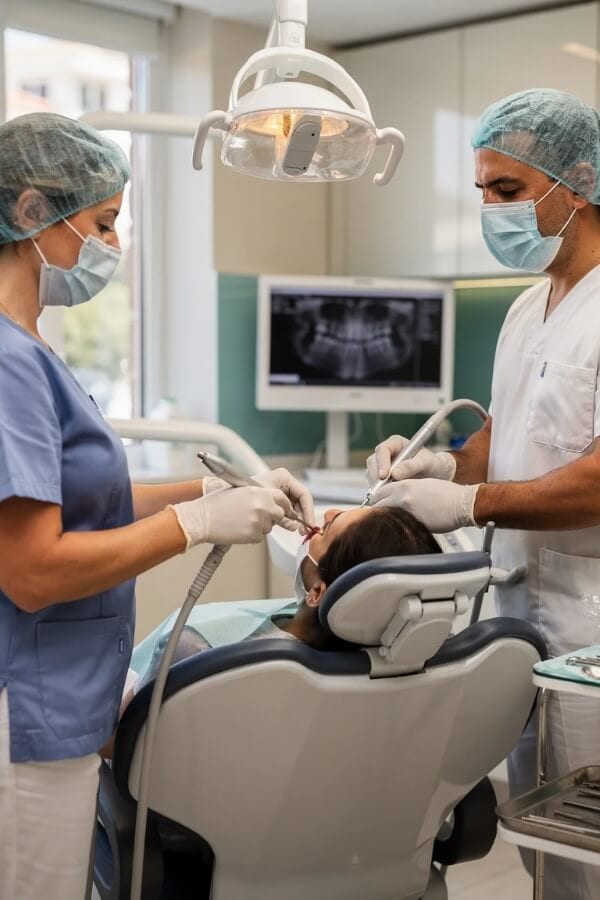
Azzurro Dental Clinic in Tirana places dental implants using Straumann, Nobel Biocare, and MegaGen systems — the certified brands with the long-term clinical evidence that the benefits described in this post are grounded in. Every implant placement begins with comprehensive CBCT 3D imaging, a treatment plan that accounts for each patient’s specific bone anatomy, and a restoration plan that integrates the implant outcome with the patient’s broader oral health picture.
For single missing teeth, our dental implants service provides the complete root-to-crown solution. For patients needing bone volume restoration before implant placement, our bone graft and sinus lift services are integrated into the treatment plan. For patients with complex anatomy or severe bone loss, our zygomatic and pterygoid implants address the cases that other clinics cannot.
Every implant placed at Azzurro Dental carries a lifetime warranty on the post. International patients receive a written treatment plan before they travel, airport transfer on arrival, and full aftercare documentation and remote follow-up support after they return home.
Contact us for a free consultation — share your records and tell us about your situation. We will give you a clear assessment of which implant solution applies to your case, what it involves, and what it will cost, before you make any travel arrangements.
Azzurro Dental Clinic — specialist implantology in Tirana, Albania. Italian-trained specialists, Straumann, Nobel Biocare, and MegaGen implant systems, and a free written treatment plan before you travel.