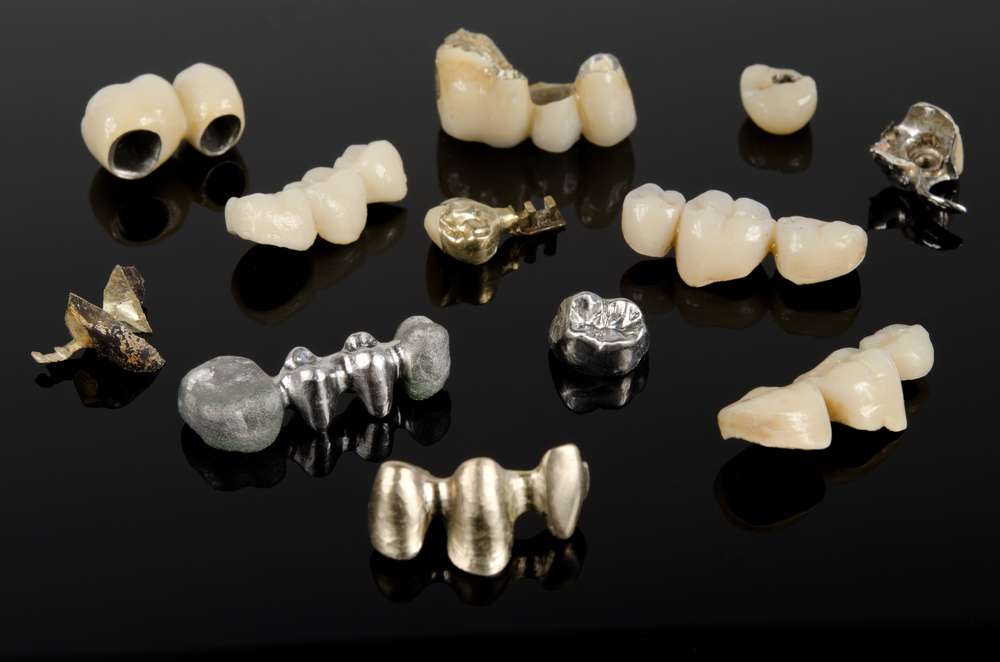


The zirconia crown vs metal ceramic comparison is one of the most common material questions in modern restorative dentistry — and the answer is not as straightforward as most patients expect. Both materials are widely used, both have substantial clinical track records, and both are available at Azzurro Dental Clinic in Tirana. Which one is right for a specific tooth depends on a combination of clinical factors that the treating dentist assesses individually: where the tooth is located, what kind of chewing load it carries, what the aesthetic requirements are, and what the remaining tooth structure looks like after preparation.
What follows is an honest, clinically grounded comparison that gives you the framework to understand what your specialist is considering when they recommend one material over the other — and why.
What Each Material Actually Is
Metal-ceramic crowns — sometimes called PFM (porcelain-fused-to-metal) crowns — consist of a metal alloy framework, typically chromium-cobalt or a precious metal alloy, over which a layer of tooth-coloured porcelain is applied and fired. The metal provides the structural strength and the porcelain veneer provides the aesthetic appearance. Metal-ceramic has been the workhorse of crown dentistry for decades and is backed by the most extensive long-term clinical data of any crown material.
Zirconia crowns are made from zirconium dioxide — a high-strength crystalline ceramic that is milled from pre-manufactured blocks using CAD/CAM (computer-aided design and manufacturing) technology. Zirconia has no metal component, making it entirely metal-free and naturally white — the restoration is a single material throughout rather than a metal core with a ceramic overlay. Zirconia has been gaining ground as the primary crown material in restorative dentistry since the mid-2000s, and in most contemporary practices it has become the default choice for most crown applications.
The fundamental trade-off between the two materials runs through several dimensions: strength, aesthetics, biocompatibility, longevity, and the specific failure modes each is prone to.
Strength: Where Zirconia Has a Clear Advantage
Zirconia is among the strongest ceramic materials available in dentistry. Its flexural strength — the force required to fracture the material — typically falls in the range of 800 to 1,200 MPa depending on the formulation. This is substantially higher than traditional feldspathic porcelain (60 to 100 MPa) and comparable to or exceeding the metal frameworks used in PFM crowns.
In a metal-ceramic crown, the strength is provided primarily by the metal substructure — the porcelain layer is inherently brittle and relies on the metal beneath it for its load-bearing capacity. This creates the specific failure mode most associated with metal-ceramic: ceramic chipping, where the porcelain veneer fractures under impact or excessive occlusal load while the metal framework beneath it remains intact. Chipping of the ceramic layer is documented as one of the most common technical complications of PFM crowns, occurring in approximately 3% of cases within the first five years according to published systematic reviews. Chipping does not necessarily fail the restoration — minor chips can sometimes be polished or repaired — but it is an aesthetic and structural compromise that zirconia monolithic crowns do not share.
Monolithic zirconia — a single block of zirconia without an aesthetic porcelain overlay — eliminates the chipping risk entirely because there is no separate ceramic layer to fracture. The entire crown is the same high-strength material throughout. This makes monolithic zirconia particularly well-suited for posterior teeth (premolars and molars), where occlusal forces are highest and where the ceramic chipping risk of PFM is most clinically relevant.
A 2024 study comparing single metal-ceramic and zirconia crowns reported overall survival rates of 90.1% for metal-ceramic crowns and 93.3% for zirconia crowns at five years — a modest but measurable advantage for zirconia in short to medium term survival, with long-term data continuing to accumulate.
Aesthetics: Where the Answer Depends on the Tooth Location
The aesthetic comparison between zirconia and metal-ceramic is more nuanced than the strength comparison, because both materials can produce excellent aesthetic results — but they do it differently, and they perform differently in different situations.
Metal-ceramic in aesthetic terms: The porcelain layer in a well-made PFM crown can be shaded, layered, and characterised to closely mimic natural tooth appearance. Experienced dental ceramists produce PFM crowns that are visually convincing in anterior (front) positions. The limitation emerges over time and at the gum line: the metal framework at the crown margin creates the potential for a dark grey line to become visible as the gum naturally recedes with age. This “dark margin” phenomenon is one of the most aesthetically troubling outcomes of PFM crowns placed on visible anterior teeth — a crown that was well-matched when placed may show a dark border ten or fifteen years later as recession exposes the metal edge.
Zirconia in aesthetic terms: The optical behaviour of zirconia differs from porcelain in one clinically important way: opacity. Standard zirconia is less translucent than natural tooth enamel, which means that under certain lighting conditions, a zirconia crown can appear slightly flatter or more opaque than the adjacent natural teeth. This has been largely addressed in high-translucency zirconia formulations — materials engineered to transmit light more closely to the behaviour of natural enamel — but zirconia still does not match the most aesthetically refined lithium disilicate (E-Max) restorations in the anterior region for the most discerning cosmetic cases.
For posterior teeth, this optical distinction is clinically irrelevant — the back teeth are not in a position where translucency is a visible concern, and the strength advantage of zirconia is highly relevant. For anterior teeth, the material decision requires a more individual assessment: high-translucency zirconia works well for most patients, but cases requiring the highest level of aesthetic refinement in a visible anterior position may benefit from E-Max or a layered zirconia-porcelain construction rather than monolithic zirconia.
Biocompatibility: Metal-Free Is the Clinical Preference
Zirconia is entirely metal-free. It is biocompatible, non-corrosive, and does not produce the allergic or sensitivity reactions that some patients experience with the metal alloys in PFM crowns. Nickel-containing alloys in some PFM formulations are a known allergen for a small percentage of patients. Chromium-cobalt alloys are generally well-tolerated but are not biocompatible in the same terms as pure ceramic materials.
At the gum tissue interface — the point where the crown margin meets the gingival sulcus — zirconia is associated with better soft tissue health than metal-based crowns. The gum tissue around zirconia crowns tends to remain healthier, with lower plaque accumulation and less inflammation at the crown margin, than comparable teeth restored with PFM.
For patients with known metal sensitivities, zirconia is the clear clinical choice. For patients without known sensitivities, the biocompatibility advantage of zirconia is still meaningful but less determinative on its own.
When Metal-Ceramic Still Has a Role
The clinical dominance of zirconia in modern restorative dentistry does not mean metal-ceramic has been retired. There are specific situations where the material characteristics of PFM make it the appropriate or preferred choice.
Very thin preparation situations. In cases where the remaining tooth structure is minimal and the preparation requires an extremely thin crown to fit within the existing space, the combination of metal strength and ceramic aesthetics in a PFM construction can be managed in thinner dimensions than monolithic zirconia. This situation arises in some posterior teeth with limited occlusal clearance.
Full-arch implant restorations where metal frameworks are clinically appropriate. In some complex full-arch cases, metal-ceramic frameworks are used for the implant-supported prosthesis where the ceramic chipping risk is managed differently than in a tooth-supported single crown. The specific implant case configuration determines the material logic here, and this is a clinical decision made by the treating specialist.
Budget considerations where the cost difference is a significant factor. Metal-ceramic crowns are typically 20% to 30% less expensive than zirconia crowns. In markets where this difference is significant relative to the patient’s overall budget, metal-ceramic remains a clinically acceptable choice for posterior teeth where the aesthetic limitations of the metal margin are less visible. At Azzurro Dental Clinic, both materials are available at Albanian prices — which means both are accessible at 50% to 70% below what either would cost at a Western European private practice, and the cost differential between the two is proportionally smaller in absolute terms.
How the Decision Is Made in Practice
At Azzurro Dental Clinic, the crown material recommendation for each case is based on:
Tooth location. Posterior teeth — premolars and molars — almost universally benefit from zirconia, where strength is the primary requirement and the aesthetic limitation of metal-free opacity is irrelevant. Anterior teeth are assessed individually, with high-translucency zirconia as the standard recommendation and E-Max considered for cases requiring maximum optical refinement.
Occlusal load and parafunctional habits. Patients with bruxism (tooth grinding) or heavy clenching habits place significantly elevated forces on their restorations. For these patients, zirconia’s superior fracture resistance is particularly relevant — the ceramic chipping that PFM is susceptible to is more likely in parafunctional cases. A nightguard alongside the crown restoration is also typically recommended.
Existing gum health and recession risk. Patients with thin gum tissue or a history of gum recession are at higher risk of the dark margin problem with PFM over time. For these patients, zirconia’s metal-free margin eliminates that risk regardless of future recession.
Patient aesthetic sensitivity. For patients who are particularly concerned about the naturalness of the restoration’s appearance, the material discussion includes E-Max as a potential option alongside zirconia for anterior teeth.
Our dental crowns page covers the full range of crown restorations available at Azzurro Dental Clinic, including zirconia, E-Max, and the clinical indications for each. For patients needing dental bridges — fixed prosthetics spanning a gap with crowns on either side — the same material considerations apply, with zirconia now the dominant choice for bridge frameworks as well as single crowns.
For patients whose teeth have been lost and who are considering dental implants as the foundation for a crown, zirconia is the standard crown material placed on implant abutments at Azzurro Dental Clinic — combining the bone-preserving benefits of the implant with the strength and biocompatibility of zirconia above the gum line.
Getting the Right Crown for Your Specific Case
The zirconia crown vs metal ceramic decision is not one that can be made purely from an article, a patient forum, or a general internet search. It is a clinical decision that depends on the specifics of your tooth, your bite, your gum health, and the aesthetic requirements of the position being restored — all of which require a professional assessment.
At Azzurro Dental Clinic, our Italian-trained specialists make this assessment as part of every crown treatment plan, explaining the material recommendation and the clinical reasoning behind it before any preparation begins. International patients receive a written treatment plan including material specification before they travel to Tirana — so the material decision is confirmed and documented in advance.
Contact us for a free consultation with your records and any questions about your crown options. We will give you a clear, specific recommendation based on your clinical situation — not a generic answer.
Azzurro Dental Clinic — zirconia, E-Max, and metal-ceramic crowns placed by Italian-trained specialists in Tirana, Albania. Free written treatment plan before you travel. Lifetime warranty on implant posts.